 Location:Manchester
 Client:Premier Modular Ltd
 Architect:Lovelock Mitchell Architects
 Value:£3m
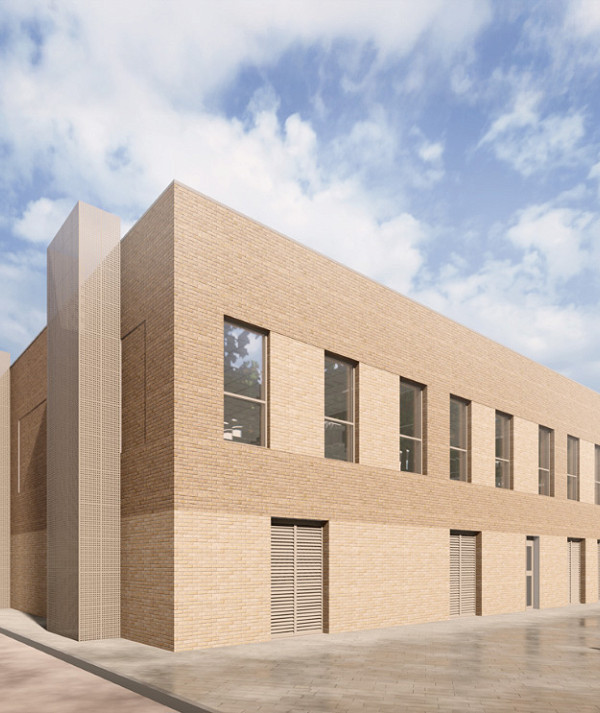
The project involved expanding a primary school’s Early Years facility with an approximately 775 m² modular, two‑storey classroom building in Manchester.
Delivery followed best practice frameworks via North West Construction Hub’s Medium Value Framework; Utilised digital construction for compliance, including first Asset Information Model at BIM Level 2.
Provides new nursery facilities and three reception classrooms in modular spaces to support early education pedagogy; Volumetric modular design enabled rapid scale-up to meet increased demand.
The project achieved a BREEAM ‘Very Good’ rating.
Working closely with the design team, Alan Wood & Partners (AWP) delivered structural engineering solutions aligned with the Department for Education (DfE) requirements. This involved a multi-stage review process, ensuring all drawings and designs were signed off and approved by the DfE. Space planning met DfE standards; Digital modeling ensured compliance with daylighting, acoustics, ventilation, and safeguarding via BIM Level 2 protocols.
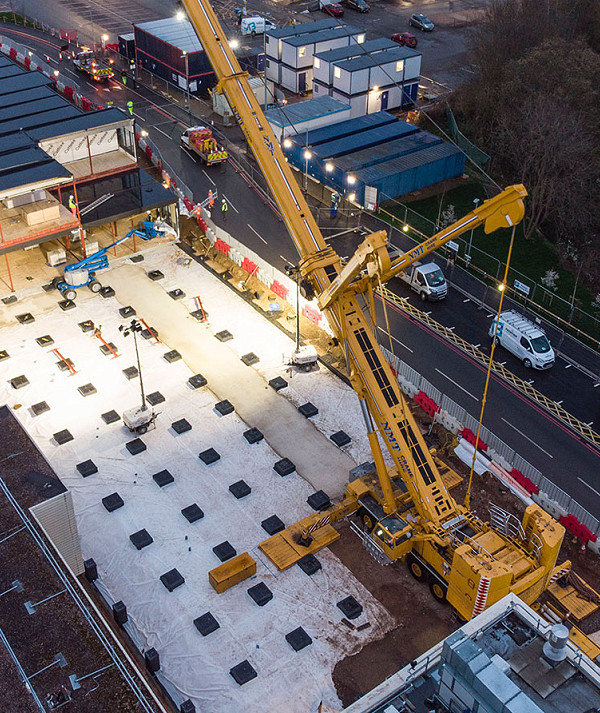
Off-site modular construction erected in just five days on a live school site; Phased installation planned to reduce impact on pupils and school operations as the building is located on an existing school playground.
Modern Methods of Construction (MMC): The building was constructed using a volumetric modular offsite manufacturing process through Premier Modular.
The design team collaborated with the Department for Education (DfE) and the school to ensure the new facility met all specified requirements. This was achieved through a series of client engagement meetings and design reviews conducted by the DfE.
Feedback Integration: Modular design refinements were driven by school’s operational needs and stakeholder input underpinned by the associated design guidance & standards. An example of this would be the crane and module scheduling aligned with holiday periods to minimise disruption.
AWP provided technical drawings and design calculations for superstructure only. The level of detail allowed a client appointed engineer to undertake the substructure and other civil engineering matters.
The strong collaboration between all parties led to the project receiving a Highly Commended award in the Integration and Collaborative Working category at the NWRCA. Additionally, the project won the Digital Construction Award at the North West Regional Construction Awards and was shortlisted as a finalist in the National Constructing Excellence Awards.
Bright, modern teaching environment created with minimal operational disruption providing additional capacity for reception and nursery pupils.
Early off-site engagement essential for tight programme restraints. Integration of BIM Level 2 and DCP set precedents for future school projects in the region; Phased crane scheduling enhanced site coordination and minimised impact, valuable for similar live-education expansions.
Other projects